








You Have a Voice
Our voice is your voice — the National Association advocates for business owners just like you in every state.
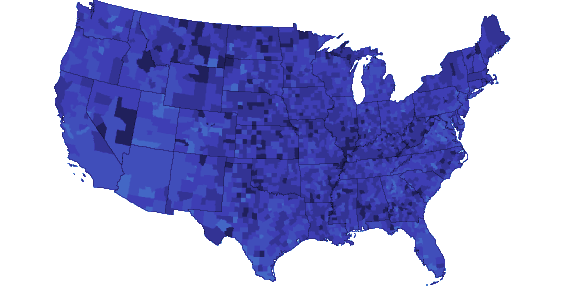
Every state in the country sets and follows its own regulations and licensing standards. Unlike nursing homes, assisted living homes are not regulated by the federal government. While that brings certain freedoms with it, it also means that business owners need a voice in advising lawmakers and providing direction in legislation that elevate the standard of care in responsible and sustainable way.
The Residential Assisted Living National Association plays the vital role of advocating for residents and providers in city, county, and state governments while simultaneously advising and helping business owners in meeting the regulatory requirements laid out by their state.
The truth is that each new regulation introduced by a state means additional expenses for the RAL business owner. This translates to higher charges for the residents. Because of this, it is important that lawmakers be educated on the impact of their work and that the legislation be in the overall best interest of every resident.
You are not alone!
- We keep members apprised of significant state laws that may affect their RAL business.
- We assist our members in passing state regulatory issues faced in permitting, licensing, etc.
- We help members formulate plans to adapt quickly to changes in regulatory requirements.
- We provide interpretations for how significant changes in law can have impact on a member's business.
- We proudly represent our members in every forum related to residential assisted living, helping to cut out excess noise and provide the most relevant information.
The Senior Community Needs You
Just how tricky can state legislation be? Here are a few examples of why our members rely on us.
Licensing
In some states, Senior Housing Communities that provide only housing, housekeeping and meals do not require to obtain a license.

Essential Services
Most states list assistance with activities of daily living, housekeeping, meals and assessments as minimum essential services that a Senior Living Facility must provide.
Minimum Requirements
Some states include services such as shopping trips, and help with doctor appointments and money management to the list of minimum requirements.


Training
In some states, at least 25 hours of training for caregiving staff is a must, while some states have no minimum training requirements.
Staff Mandates
Some states require a minimum resident-to-caregiver ratio.

Membership is free! Register today.
We need you in our ranks! Our work is never complete and we’re counting on people like you to help us.

Legal Rights
The rights of the residents and the rights of the RAL business owners also differ from state to state.
Changing Regulations
More than half of the states (29 of them) changed their regulations and policies for Assisted Living Homes between June 2017 and June 2018.


Employee Requirements
Most changes in regulation were related to staffing, particularly minimum training and background check requirements.
Qualifications
Florida, New Hampshire and North Carolina made changes to minimum administrator qualifications or training.


Memory Care
Oklahoma now requires special training for caregivers on Alzheimer’s and dementia-related care.
Competency
Louisiana mandated an evaluation of whether the caregivers are competent to provide assistance with activities of daily living.

Your Business Matters to Us
We are stronger together and your success is what drives us forward!
*Membership is free and comes with perks!